


Exploring Cedar Siding Benefits: Why Choose Cedar Wood Siding for Your Home
When considering exterior siding options, the choice of material significantly impacts the home's appearance, durability, and maintenance needs. Cedar wood siding has long been admired for its natural beauty and practical advantages. In this article, I will explore the various cedar siding benefits that make it a preferred choice for many homeowners, especially in regions with diverse weather conditions. The insights shared here aim to provide a clear understanding of why cedar siding remains a top contender in the siding market.
Understanding Cedar Siding Benefits
Cedar siding offers a unique combination of aesthetic appeal and functional performance. One of the primary cedar siding benefits is its natural resistance to decay and insect damage. This resistance is due to the presence of natural oils and tannins in the wood, which act as preservatives. As a result, cedar siding can maintain its integrity and appearance for many years with proper care.
Another significant advantage is cedar's excellent insulation properties. Cedar wood has a low thermal conductivity, which means it helps regulate indoor temperatures by reducing heat transfer. This characteristic can contribute to energy savings by keeping homes warmer in winter and cooler in summer.
In addition to durability and insulation, cedar siding is highly versatile in design. It can be cut and shaped into various styles, such as shingles, shakes, or horizontal and vertical boards. This flexibility allows homeowners to customize the exterior look of their homes to match architectural preferences and neighborhood aesthetics.
Maintenance is often a concern with wood siding, but cedar requires less upkeep compared to other wood types. Regular cleaning and occasional staining or sealing can preserve its appearance and protect it from weathering. The natural color variations and grain patterns of cedar also help conceal minor imperfections and wear over time.
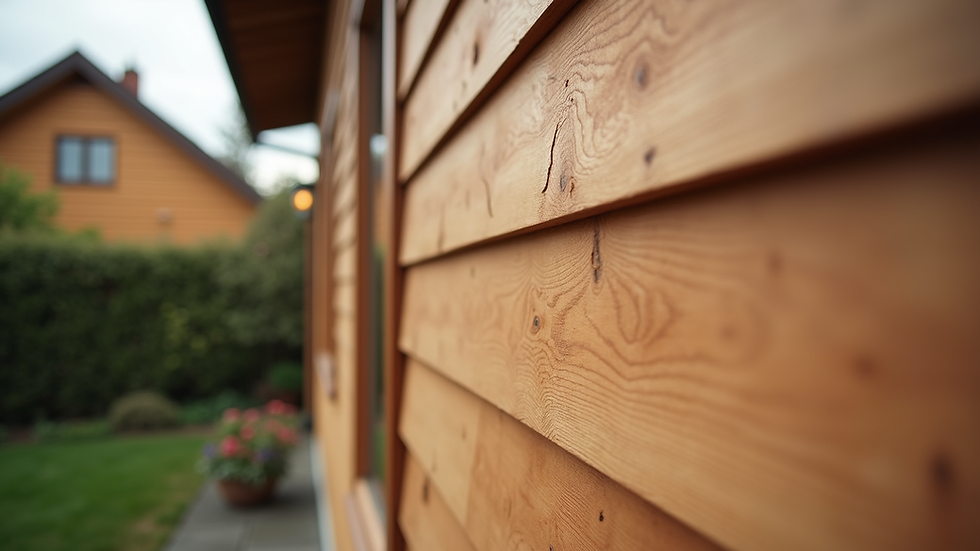
Is Cedar a Good Siding for a House?
The question of whether cedar is a good siding for a house is frequently asked by homeowners evaluating their options. Based on its properties and performance, cedar is indeed an excellent choice for siding. Its natural durability, combined with aesthetic qualities, makes it suitable for a wide range of climates, including the variable weather experienced in the Greater Boston area.
Cedar siding's ability to resist moisture and pests reduces the risk of structural damage, which is a critical consideration for long-term home maintenance. Furthermore, cedar's breathability allows moisture to escape from the walls, preventing mold and mildew growth that can occur with less permeable materials.
From a design perspective, cedar siding enhances curb appeal and can increase property value. Its warm tones and natural texture create a welcoming and timeless look that complements both traditional and modern architectural styles.
While cedar siding may have a higher initial cost compared to vinyl or aluminum siding, the investment is often justified by its longevity and the reduced need for frequent replacement or repairs. Additionally, the environmental benefits of using a renewable and biodegradable material align with sustainable building practices.
Practical Considerations for Installing Cedar Siding
When planning to install cedar siding, several practical factors should be taken into account to maximize its benefits. Proper installation is crucial to ensure the siding performs well and lasts for many years. It is advisable to hire experienced professionals who understand the nuances of working with cedar wood.
One important consideration is the choice of cedar species. Western Red Cedar is commonly preferred for siding due to its superior durability and rich color. However, other species like Alaskan Yellow Cedar may also be suitable depending on availability and budget.
The siding should be installed with adequate ventilation and a moisture barrier to prevent water infiltration. This setup helps maintain the wood's condition and prevents issues such as warping or rot. Additionally, using stainless steel or galvanized nails is recommended to avoid corrosion and staining.
Finishing treatments such as stains or paints not only enhance the appearance but also provide an extra layer of protection against UV rays and weathering. It is essential to select high-quality, breathable finishes that allow the wood to expand and contract naturally.
Regular inspections and maintenance will extend the life of cedar siding. Homeowners should look for signs of damage, such as cracks or splits, and address them promptly. Cleaning the siding annually to remove dirt and mildew will also help maintain its aesthetic appeal.

Environmental and Health Benefits of Cedar Siding
Beyond its physical and aesthetic advantages, cedar siding offers notable environmental and health benefits. As a natural, renewable resource, cedar wood siding contributes to sustainable building practices. The harvesting of cedar is often managed responsibly to ensure forest regeneration and ecological balance.
Cedar siding is biodegradable, which means it has a lower environmental impact at the end of its life cycle compared to synthetic materials. Additionally, the production process for cedar siding typically requires less energy and generates fewer emissions than manufacturing vinyl or metal siding.
From a health perspective, cedar wood does not emit harmful volatile organic compounds (VOCs) that can affect indoor air quality. This characteristic makes it a safer choice for families concerned about environmental toxins.
The natural aroma of cedar is also known to repel insects, reducing the need for chemical treatments around the home. This feature can contribute to a healthier living environment by minimizing exposure to pesticides.
Enhancing Home Value and Aesthetic Appeal with Cedar Siding
Investing in cedar siding can significantly enhance a home's market value and visual appeal. The distinctive look of cedar wood siding for houses creates a warm and inviting exterior that stands out in any neighborhood. Its timeless beauty appeals to potential buyers and can differentiate a property in a competitive real estate market.
Cedar siding allows for a variety of finishes and colors, enabling homeowners to tailor the exterior to their personal taste or to complement surrounding homes. Whether left natural, stained, or painted, cedar siding maintains a high-quality appearance that ages gracefully.
Moreover, the durability and low maintenance requirements of cedar siding are attractive selling points. Prospective buyers often appreciate the assurance that the siding will not require immediate replacement or extensive repairs.
For homeowners seeking to improve their property's curb appeal and long-term value, cedar siding represents a wise and aesthetically pleasing investment.
Choosing the right siding material is a decision that affects both the look and longevity of a home. Cedar siding benefits include natural durability, energy efficiency, environmental friendliness, and enhanced curb appeal. By understanding these advantages and considering proper installation and maintenance, homeowners can enjoy the lasting beauty and protection that cedar wood siding provides.
For those interested in exploring options further, consulting with a trusted siding contractor can provide personalized recommendations tailored to specific needs and local climate conditions. This approach ensures that the investment in cedar siding will deliver maximum satisfaction and value over time.


